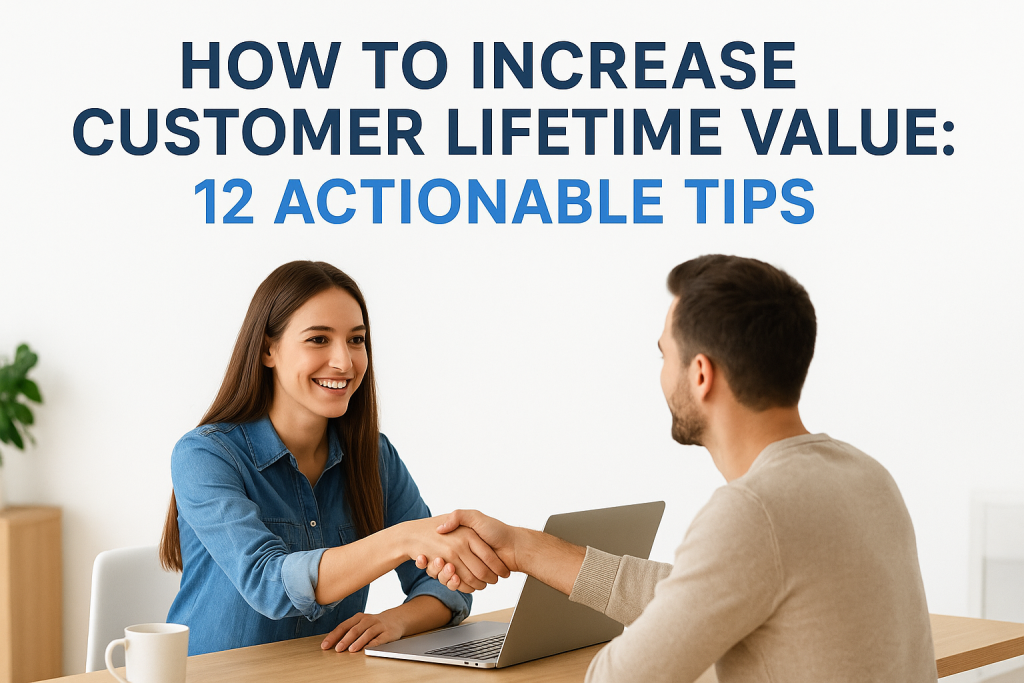
You spent money getting a customer. They bought once and disappeared. Now you’re back to square one, spending more money and time to find the next person. This exhausting cycle drains your budget and makes building a sustainable online business feel impossible. Increasing customer lifetime value means getting those buyers to return and purchase again, turning single purchase customers into repeat clients who spend more with you over time. It’s far cheaper and simpler than constantly hunting for new people who don’t know you yet.
This guide gives you 12 practical strategies that focus on what you can control right now. You won’t need fancy software or advanced technical expertise to make any of these work. Most of these tips center on building genuine relationships and providing real value to the people who already trust you enough to buy from you. Each section breaks down exactly what to do and why it works, with simple steps you can start using today to see real results.
1. Build real relationships through networking
Real relationships form the foundation of repeat business. When you connect authentically with customers, they remember you and choose to work with you again instead of shopping around for cheaper alternatives. This approach helps you understand how to increase customer lifetime value by creating bonds that go beyond a single transaction. People buy from those they know and trust, and networking gives you the chance to build that trust naturally over time.
Why personal connections drive sales
Customers who feel personally connected to you stick around longer and spend more money. Trust develops through conversation and consistency, not through automated email sequences or generic sales pitches. When someone knows the person behind a business, they become more forgiving of minor issues and more willing to give feedback that helps you improve.
Personal connections also create word-of-mouth referrals that bring in qualified leads. A customer who knows you personally will recommend your products or services with genuine enthusiasm. Their friends and colleagues trust that recommendation far more than any advertisement you could create, which lowers your cost to acquire new customers while increasing the value of existing relationships.
Simple ways to network with customers
Start by responding personally to every customer message instead of using template replies. Take a few extra seconds to mention something specific from their purchase or previous conversation. This small effort shows you pay attention and view them as individuals rather than ticket numbers.
Join online communities where your customers already spend time. Answer questions, share helpful resources, and participate in discussions without immediately pitching your products. The goal is to become a recognized, helpful presence who people think of naturally when they need what you offer.
Building relationships means showing up consistently in spaces where your customers gather, not just when you want to sell something.
Avoiding transactional behavior
Transactional behavior treats every interaction as a chance to make a quick sale rather than nurturing an ongoing relationship. This mindset pushes customers away because they sense your only interest is their money. Instead, focus on providing value in every conversation, whether or not it leads to an immediate purchase.
Stop asking "What can you buy?" and start asking "What do you need help with?" This shift changes how customers perceive you. They begin seeing you as a resource and partner rather than just another seller trying to extract cash from their wallet. The sales still happen, but they come naturally from a foundation of mutual respect and genuine interest in solving real problems.
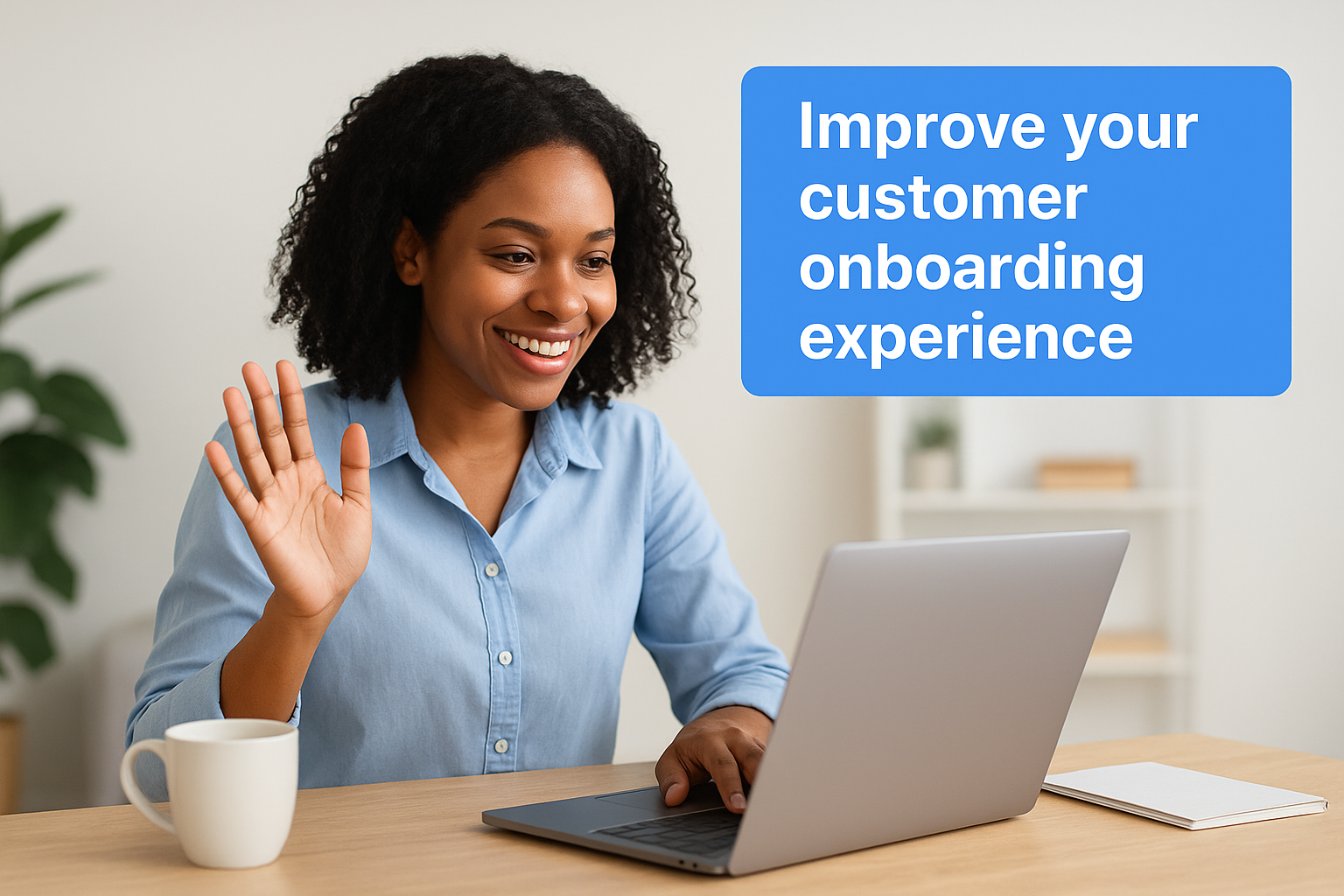
2. Improve your customer onboarding experience
A strong onboarding experience sets the tone for your entire customer relationship. When you welcome new buyers properly and show them immediate value, they understand what they purchased and why it matters. Poor onboarding creates confusion and early cancellations that destroy customer lifetime value before relationships begin. Your first interactions after a purchase determine whether someone becomes a long-term customer or disappears.
The impact of a good first impression
Your customer’s first experience after buying shapes their perception of everything that follows. New customers need clarity and confidence in the hours right after they hand over their money. Confusion during this window makes them question their decision and look for refunds.
A solid first impression creates momentum and excitement that carries through the entire customer journey. When someone feels supported and sees immediate progress, they commit to using what they bought.
Creating a simple welcome sequence
Build a three-step welcome sequence that guides new customers through their first actions. Start with a confirmation message that reassures them and tells them what happens next. Follow up within 24 hours with a getting-started guide that walks them through one action they can complete immediately.
Send a third message after a few days asking if they need help. Keep each message short and focused on one clear outcome. Basic email platforms and pre-written templates work fine for this purpose.
Helping customers see value quickly
Customers who experience a win in the first week stick around much longer than those who struggle initially. Identify the single fastest way someone can see results, then guide them straight to that outcome. Skip the feature tour and focus entirely on getting them one meaningful result quickly.
Understanding how to increase customer lifetime value means recognizing that early wins create the confidence needed for long-term relationships.
Celebrate their first success with a personal message. When customers feel successful right away, they trust bigger results will come with continued use.
3. Listen to customer feedback regularly
Customer feedback shows you exactly what works and what drives people away. When you actively ask for opinions and genuinely care about the answers, you learn which features matter most and which problems need immediate attention. Ignoring this information means you operate blind while competitors who listen steal your customers. Regular feedback creates a continuous improvement loop that directly impacts how to increase customer lifetime value.
Why listening builds trust
Asking for feedback demonstrates respect for your customer’s experience and expertise. People appreciate being heard, especially when they see you actually make changes based on their suggestions. This two-way communication transforms your business from a faceless company into a responsive partner who values their input.
Customers stick with businesses that evolve according to their needs. When someone sees you implement their suggestion, they feel ownership in your success and become more invested in your continued relationship. Trust deepens because actions prove you care about serving them well, not just collecting their money.
Easy methods to collect opinions
Send a simple one-question survey after each purchase asking what you could improve. Keep it short because long surveys get ignored. You can also reply directly to customer emails asking how their experience went and what would make it better.
Create a feedback form on your website that takes less than two minutes to complete. Monitor your payment platform reviews and social media mentions for unsolicited opinions that reveal honest thoughts customers share when they think you’re not watching.
Acting on what you hear
Collecting feedback means nothing if you never implement the changes customers request. Review responses weekly and identify patterns that point to specific improvements you can make. Prioritize changes that multiple people mention or that solve significant pain points.
Learning how to increase customer lifetime value requires closing the feedback loop by showing customers you listened and took action.
Announce updates publicly and credit customer input when you make changes. This transparency shows everyone that speaking up produces real results, which encourages more honest feedback in the future.
4. Offer top-tier customer support
Exceptional support creates customers who stay loyal even when cheaper alternatives exist. When you respond quickly and solve problems effectively, you transform frustrated buyers into advocates who refer others to your business. Poor support drives customers away regardless of product quality, while great support keeps them coming back. Your ability to help people when they struggle directly determines how to increase customer lifetime value because support experiences shape emotional connections to your brand.
Speed and empathy in support
Customers value fast responses that acknowledge their frustration and provide clear next steps. Answer support requests within hours, not days, because delays amplify negative emotions and push people toward competitors. A quick response shows respect for their time and demonstrates you take their problems seriously.
Combine speed with genuine empathy by recognizing the inconvenience or stress your customer experiences. Understanding their perspective matters more than robotic efficiency. When someone feels heard and validated, they forgive mistakes more readily and appreciate your effort to help them succeed.
Solving problems before they escalate
Monitor common questions and create preventive resources that address issues before customers need to contact support. Self-service guides and clear documentation reduce frustration by empowering customers to solve simple problems themselves at any hour.
Proactive communication about known issues prevents surprise complaints. Reach out first when you identify a problem affecting multiple customers, explaining what happened and how you will fix it.
Turning complaints into loyalty
View every complaint as a chance to prove your reliability under pressure. Customers who experience excellent problem resolution often become more loyal than those who never encountered issues. Handle their concern promptly and add something extra to compensate for their trouble.
Great support transforms one-time buyers into lifetime customers by proving you stand behind what you sell.
Follow up after resolving issues to confirm satisfaction and show continued care beyond the immediate problem.
5. Create a simple loyalty program
A loyalty program gives customers concrete reasons to buy from you repeatedly instead of shopping elsewhere. When you reward people for staying with you, they spend more per transaction and purchase more frequently over time. Complex point systems and expensive software are unnecessary when starting out. Simple recognition and small incentives work just as effectively for building customer lifetime value in ways that fit your limited tech skills and resources.
Rewarding repeat buyers
Track customer purchase history and acknowledge their second or third purchase with a personal thank you message. Offer a small discount on their next order after they reach a specific milestone, such as five purchases or a certain dollar amount spent. This recognition makes them feel valued and noticed.
Simple rewards create anticipation for the next purchase because customers know something extra waits for them. Manual tracking through spreadsheets works perfectly fine until your customer base grows too large to manage this way.
Low-tech ways to track loyalty
Use a basic spreadsheet to record customer names, purchase dates, and total amounts spent. Add a column noting when someone qualifies for a reward so you can send personalized offers at the right time. Check your payment platform’s transaction history to identify frequent buyers without needing specialized software.
Email your best customers directly when they qualify for loyalty benefits. Personal outreach beats automated systems for smaller businesses because it strengthens relationships while rewarding purchases.
Incentives that actually work
Free shipping on future orders costs you little but provides real value that customers appreciate. Early access to new products makes loyal buyers feel special and creates urgency to maintain their status. Percentage discounts work better than dollar amounts because they scale with purchase size.
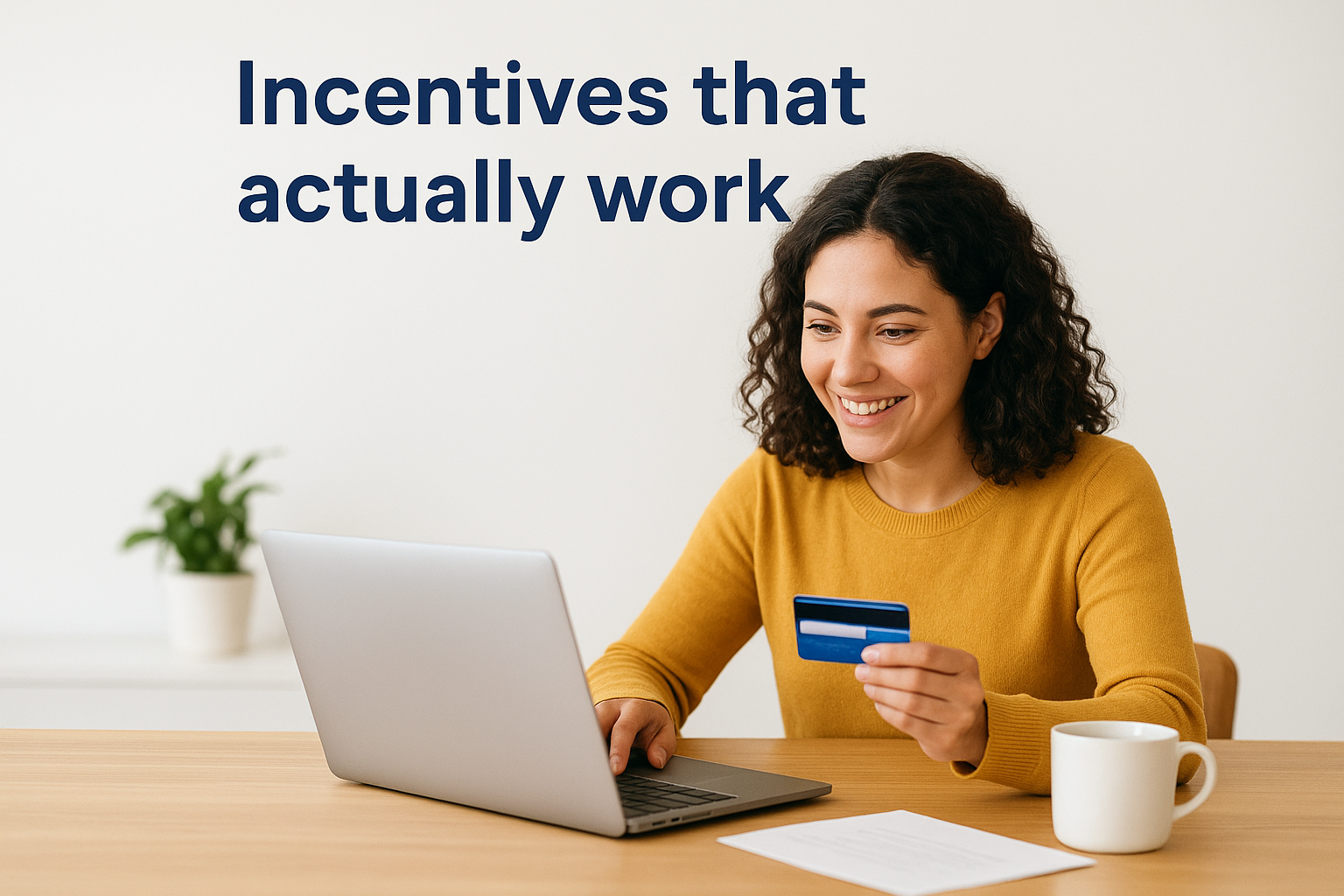
Understanding how to increase customer lifetime value means rewarding behavior you want repeated, creating positive cycles that benefit both you and your customers.
Skip complicated tier systems that confuse people. Clarity and simplicity drive better participation than elaborate programs.
6. Upsell and cross-sell relevant products
Suggesting additional or upgraded products increases the amount each customer spends with you over time. When you recommend items that genuinely help someone get better results, they appreciate the guidance and buy more frequently. Strategic product recommendations demonstrate expertise and care rather than pure sales motivation. This approach directly impacts how to increase customer lifetime value because each customer generates more revenue per transaction without requiring you to find new buyers.
Difference between upselling and cross-selling
Upselling means offering a premium version of what someone already plans to purchase. You suggest they upgrade to a better product that delivers superior results or includes additional features they will use. Cross-selling involves recommending complementary products that work alongside their initial purchase to enhance their experience or solve related problems.
Both strategies work when recommendations make logical sense. Your customer buys a basic course, you suggest the advanced version with coaching. They purchase a software subscription, you recommend the template pack that saves them setup time.
When to offer an upgrade
Present upsell offers immediately after someone adds a product to their cart but before they complete payment. This timing catches them while they feel excited about their purchase and open to improving their outcome. You can also suggest upgrades during onboarding when customers realize they need more than the basic option provides.
Avoid pushing upgrades before someone experiences value from their initial purchase. Wait until they use what they bought and understand how the premium option solves their next problem.
Keeping offers helpful not pushy
Make recommendations based on actual customer behavior and needs rather than pushing your most expensive products blindly. Only suggest items that logically complement or enhance what they already purchased from you.
Relevant recommendations feel helpful while random suggestions feel like desperate cash grabs that damage trust.
Explain clearly why you recommend something specific. Transparency about benefits builds confidence in your suggestion rather than creating suspicion.
7. Personalize your communication
Personalized messages make customers feel recognized as individuals rather than generic email addresses on a list. When you reference specific purchases or mention details from past conversations, people notice the effort and respond more positively to your outreach. Generic mass emails get ignored or deleted while personalized communication gets opened and acted upon. Mastering personalization directly affects how to increase customer lifetime value because customers engage more frequently with businesses that remember who they are and what they need.
Going beyond just using a first name
Adding a first name to your email subject line barely qualifies as personalization anymore. Reference their recent purchase or mention a problem they told you about in previous messages. This demonstrates you actually pay attention to their situation rather than just running automated campaigns.
Comment on milestones like purchase anniversaries or the time since they joined your customer base. These small touches show you track their journey with you and value the relationship beyond transactional exchanges.
Segmenting your audience simply
Group customers based on what they bought or how long they’ve been with you. Send different messages to new buyers versus long-term customers because their needs differ significantly. You can manage basic segments using spreadsheet tabs without investing in expensive marketing platforms.
Separate engaged customers from inactive ones so you send relevant content that matches their current relationship with your business. Simple categorization improves response rates dramatically.
Relevant messages based on actual customer behavior perform better than one-size-fits-all broadcasts that ignore individual circumstances.
Making customers feel special
Send birthday or holiday messages that include specific product recommendations based on their purchase history. This combines celebration with usefulness rather than empty pleasantries. Acknowledge their loyalty publicly by featuring customer stories or testimonials that highlight their success.
Offer exclusive previews or early access to loyal customers before announcing products publicly. This preferential treatment rewards their continued support.
8. Switch customers to annual billing
Annual billing locks in revenue and reduces the administrative work of processing monthly payments. When customers commit to a full year upfront, they think carefully before canceling and typically stay longer than month-to-month subscribers. This payment structure significantly impacts how to increase customer lifetime value because it guarantees 12 months of revenue from each customer who makes the switch. You also avoid the monthly risk of failed payments or subscription cancellations that drain your income unpredictably.
Benefits of long-term commitments
Annual commitments create psychological barriers to cancellation that monthly billing lacks. Someone who paid for a year upfront feels invested in getting their money’s worth rather than walking away after a few months. Prepaid customers use your product more actively because they already spent the money and want results.
You gain predictable cash flow that helps you plan business expenses and investments with confidence. Monthly billing creates uncertainty while annual payments provide stability that reduces financial stress.
How to encourage the switch
Offer a meaningful discount on annual plans that makes the value obvious, such as two months free when paying yearly. Present this option during checkout and again during customer onboarding when enthusiasm runs high. Highlight the savings clearly in dollar amounts rather than percentages so customers see exactly what they gain.
Send existing monthly subscribers a limited-time upgrade offer that rewards their loyalty with discounted annual pricing.
Reducing payment failures
Annual billing eliminates eleven potential payment failures that happen with monthly subscriptions. Credit card expirations, insufficient funds, and bank security blocks all create revenue interruptions that annual payments avoid completely.
Fewer payment touchpoints mean fewer opportunities for technical problems that cause customers to leave unintentionally.
Collect payment once per year instead of managing twelve separate transactions per customer.
9. Send value-packed email newsletters
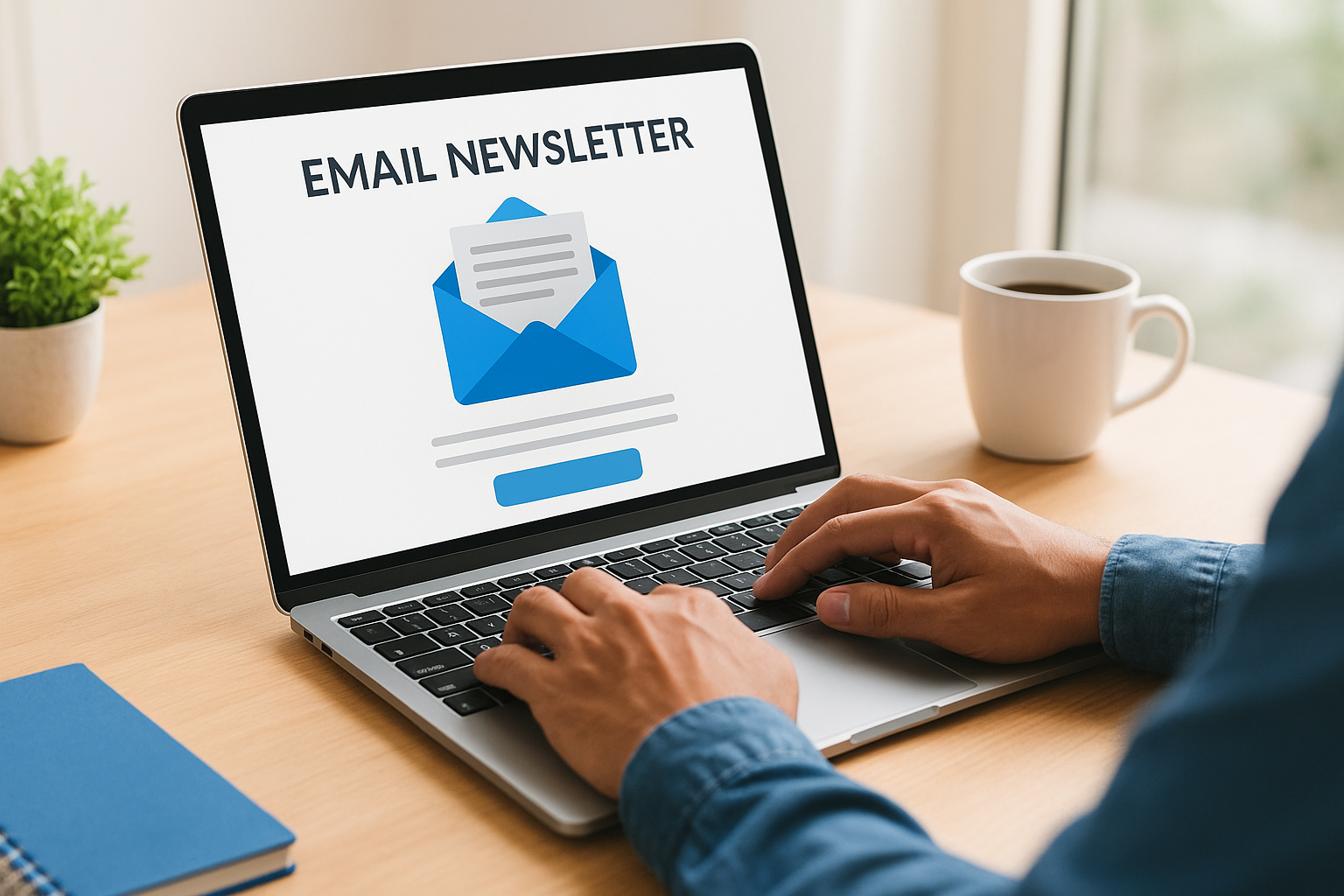
Regular email communication keeps your business at the front of customers’ minds when they need products or services you provide. Sending valuable newsletters builds trust and demonstrates expertise without requiring customers to visit your website or check social media accounts. Most people check email daily while social posts disappear quickly in crowded feeds. Consistent email contact reinforces your relationship and creates multiple touchpoints that drive repeat purchases, which is fundamental to understanding how to increase customer lifetime value.
Staying top of mind without spamming
Send emails once or twice per week maximum so customers anticipate your messages instead of dreading them. Frequent daily emails annoy subscribers and trigger unsubscribes that destroy the relationships you worked hard to build. Focus on quality over quantity by making each message genuinely useful rather than filling inboxes with pointless updates.
Give subscribers control over email frequency by offering digest options that consolidate multiple messages into one weekly summary.
Content ideas that add value
Share practical tips and tutorials that help customers succeed with products they already purchased from you. Answer frequently asked questions in newsletter format so everyone benefits from common solutions. Customer success stories inspire readers while demonstrating real results your products deliver.
Valuable content positions you as a trusted resource rather than just another seller competing for attention in crowded inboxes.
Balancing education and sales
Structure each newsletter with 80% educational content and 20% promotional messaging to maintain subscriber interest without overwhelming them with constant sales pitches. Lead with genuinely helpful information that readers appreciate receiving, then mention relevant products that solve problems you discussed.
Place soft promotional mentions naturally within educational content rather than separating them into obvious advertisement sections. This integrated approach feels less pushy while still driving sales.
10. Build a community for your customers
A dedicated customer community creates connections between buyers that keep them engaged with your business long after their initial purchase. When customers interact with each other and share experiences, they develop loyalty to the group itself and the business that hosts it. These spaces transform isolated buyers into an active network of people who help, encourage, and learn from one another. Creating community spaces directly impacts how to increase customer lifetime value because members stick around to maintain relationships with other customers, not just to access your products.
The power of belonging
Customers who feel part of a community cancel subscriptions less frequently than those who experience your product alone. A sense of belonging creates emotional investment that transcends product features or pricing comparisons. Group membership provides accountability and motivation that individuals struggle to maintain independently.
Members celebrate wins together and support each other through challenges, which strengthens their attachment to your business. This shared experience builds deeper loyalty than any discount or promotion could achieve.
Platforms to host your group
Start with free platforms like Facebook Groups that your customers already use daily rather than forcing them to learn new tools. Email-based discussion groups through Google Groups work well for people uncomfortable with social media. Choose simplicity over fancy features because participation matters more than sophisticated technology.
You can manage a small community effectively through basic email threads that require no special technical skills to operate or moderate.
Encouraging peer-to-peer support
Prompt discussions by asking questions that spark conversation and inviting members to share their experiences solving specific problems. Recognize and thank members who help others so they feel appreciated and continue contributing valuable insights.
Customer-to-customer support reduces your workload while building stronger community bonds that keep members active and engaged.
Highlight member successes publicly within the group to inspire others and demonstrate what active participation produces.
11. Surprise and delight your best clients
Small unexpected gestures create lasting emotional bonds with your most valuable customers. When you reward loyalty with surprises that cost little but mean much, you transform satisfied buyers into passionate advocates who refer others freely. These moments stand out because most businesses ignore loyal customers after securing their repeat purchases. Strategic surprise gestures demonstrate genuine appreciation beyond transactional relationships, which is essential to understanding how to increase customer lifetime value through emotional connection.
Unexpected gestures of appreciation
Send small unexpected gifts to customers who reach purchase milestones without announcing a reward program beforehand. The surprise element creates stronger positive emotions than expected rewards because people value authentic appreciation over calculated incentives. Thank your best customers publicly on social media with their permission, highlighting their loyalty and success.
Upgrade shipping speed at no cost or include bonus items they did not order. These gestures cost you little but create memorable experiences that customers share with friends.
Sending handwritten notes or gifts
Mail handwritten thank you cards to your top 20 customers each quarter because personal touches feel rare in digital business environments. Physical mail stands out when everyone else sends automated emails that get ignored or deleted instantly. Include specific references to their purchases or interactions to prove the note is genuinely personal.
Small branded items or samples of new products show thoughtfulness without requiring large investments. The effort matters more than the gift value.
Creating emotional connections
Remember and acknowledge customer milestones like anniversaries of their first purchase or birthdays when you collect this information naturally. These personal touches build relationships that extend beyond business transactions into genuine human connections.
Emotional bonds created through surprise appreciation generate loyalty that survives price competition and market changes.
Share customer success stories with their permission, celebrating their achievements publicly while strengthening their attachment to your business community.
12. Re-engage inactive customers
Customers who stop buying still remember your business and often need just a simple reminder to return. When you reach out strategically to people who drifted away, you recover revenue without spending money to acquire completely new buyers. Inactive customers already trust you enough to purchase once, which makes them easier to convert than cold prospects. Winning back previous buyers is a powerful component of learning how to increase customer lifetime value because it maximizes the return on your initial acquisition costs.
Identifying who has drifted away
Review your customer list and flag anyone who hasn’t purchased in 90 days or whatever timeframe makes sense for your business cycle. Sort customers by last purchase date to quickly spot people who bought regularly but stopped recently. These recently inactive buyers respond better than customers who left years ago.

Track engagement beyond purchases by noting who stopped opening emails or visiting your website. Declining engagement signals upcoming inactivity before purchases stop completely.
Crafting a win-back message
Send a direct email asking if something went wrong or if they still need what you offer. Honest questions work better than discount bribes because they show genuine interest in understanding their absence. Offer a specific incentive only after asking what caused their departure.
Re-engagement messages succeed when they acknowledge the gap honestly rather than pretending the customer never left.
Keep messages short and personal rather than sending long automated sequences that feel impersonal.
Knowing when to let go
Stop contacting people after three unanswered re-engagement attempts because continued messages annoy them and damage your sender reputation. Some customers leave permanently for valid reasons you cannot control. Accept natural attrition as part of business rather than chasing everyone forever, which wastes time better spent serving active customers.
The bottom line
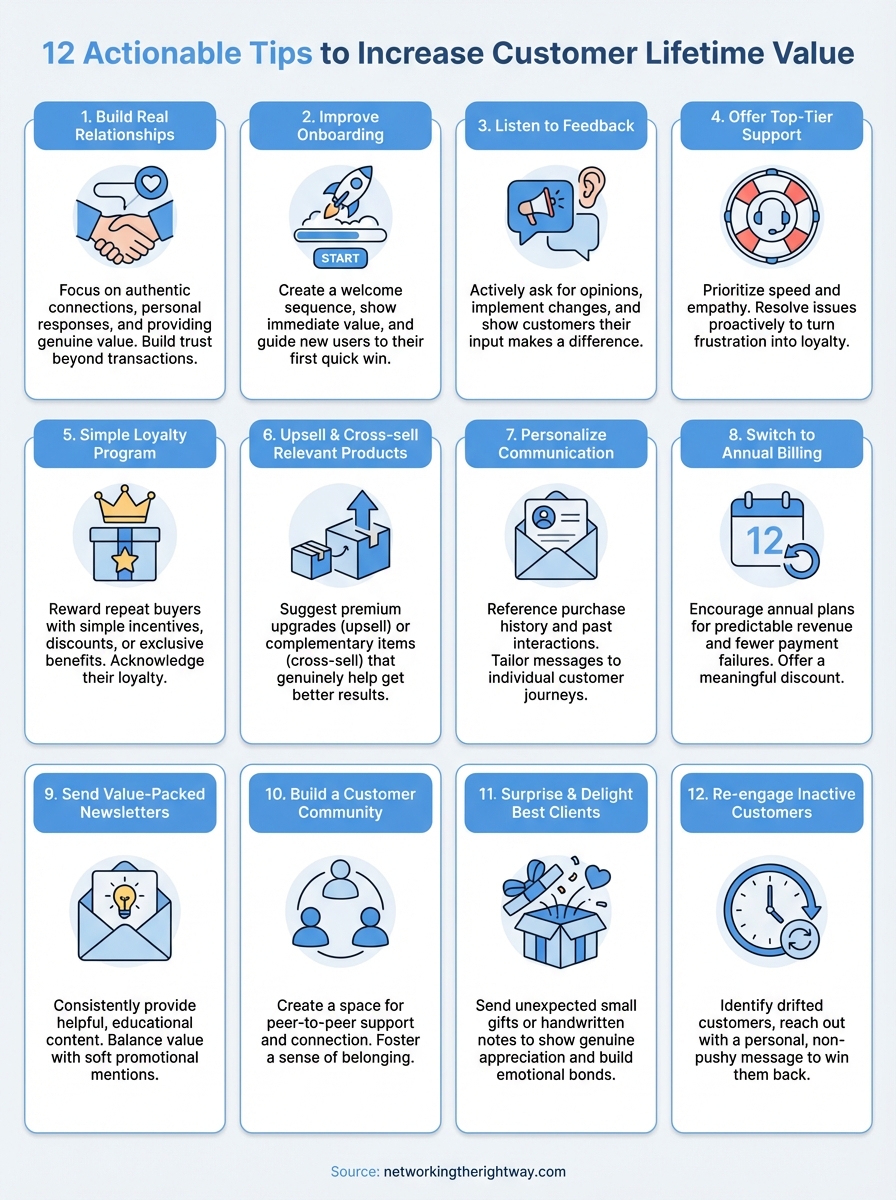
Understanding how to increase customer lifetime value transforms your business from a constant chase for new buyers into a sustainable income source built on relationships. Each strategy in this guide works because it focuses on treating customers like real people rather than transaction numbers on a spreadsheet. You don’t need expensive software or advanced technical skills to implement any of these approaches starting today.
Pick two or three strategies that feel most natural for your situation and implement them consistently over the next 30 days. Track what happens to your repeat purchase rates and average customer spending during that period. Small improvements compound quickly when you focus on keeping the buyers you already worked hard to acquire instead of constantly searching for new ones.
Building a profitable online business requires patience and genuine relationship-building skills that you already possess from decades of life experience. If you’re ready to create sustainable income through proven marketing strategies designed specifically for people over 50, check out this simple way to build a business online that focuses on what actually works without overwhelming technical complexity.